Color Grading Secrets That Will Transform Your Footage

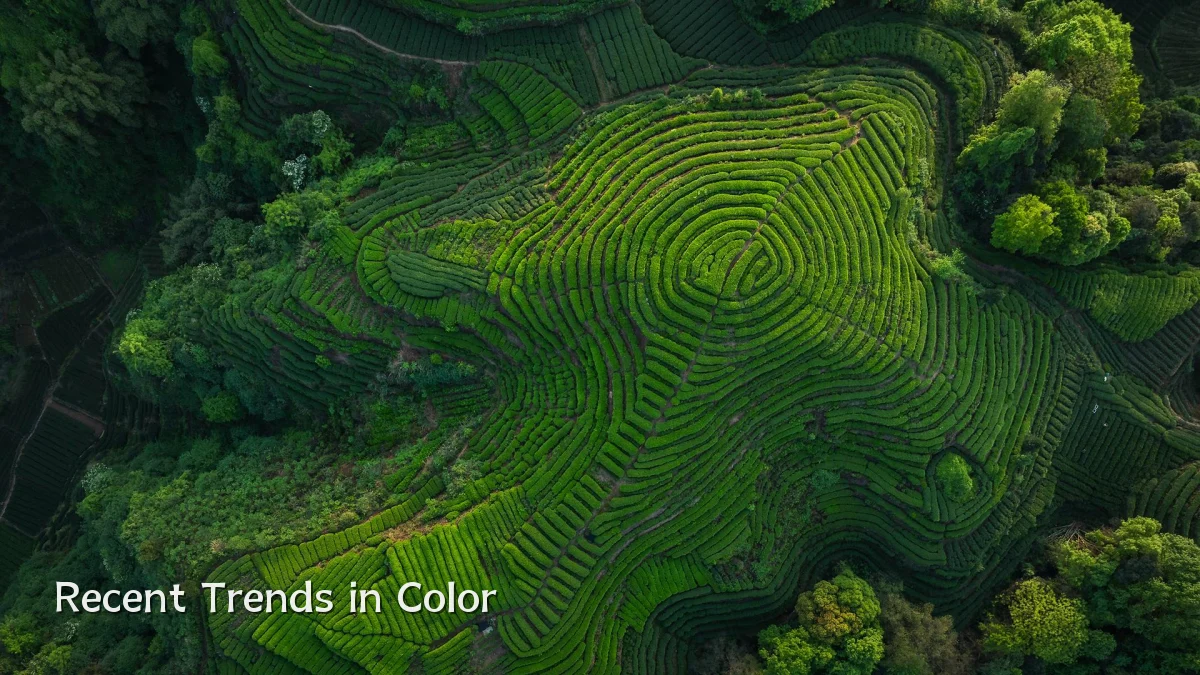
Recent Trends in Color Grading
Modern grading workflows increasingly rely on non-destructive tools and real-time previews. AI-assisted segmentation now allows editors to isolate subjects by luminance or color range without complex rotoscoping. LUTs (lookup tables) have moved from one‑click fixes to modular building blocks: many creators stack a technical LUT for log-to-rec709 conversion, then apply a creative LUT at reduced opacity. HDR grading is also becoming more accessible, with consumer monitors supporting wider color spaces, though proper calibration remains a prerequisite.
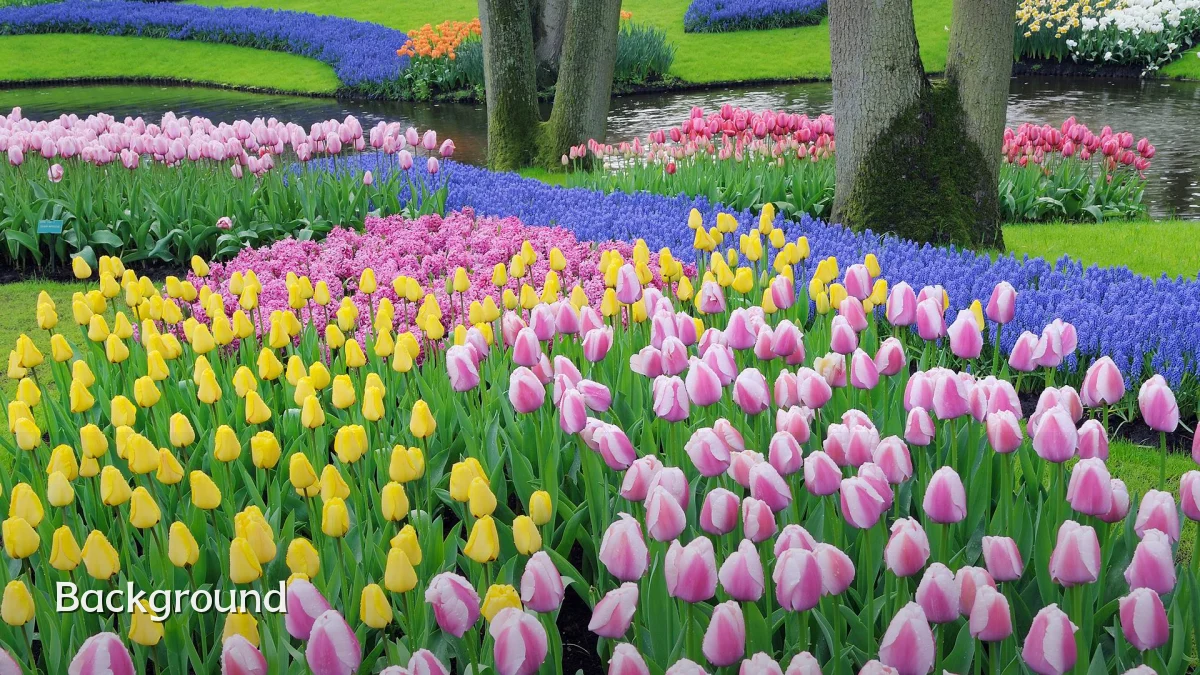
Background: The Evolution of Grading
Manual color timing began in film laboratories where density and contrast were adjusted chemically. Digital tools democratized the process, but early software required extensive hardware. Today’s major editing suites bundle professional color wheels, vectorscopes, and histogram scopes. The shift from fixing exposure to shaping emotion has turned grading into a primary storytelling device—mood, time of day, and character arcs are often defined by palette rather than by set design.
Common User Concerns
- Complexity: Beginners struggle with scopes and color theory, often over-saturating or drifting skin tones.
- Hardware limitations: Accurate grading demands a color‑calibrated monitor; a typical laptop screen can introduce unintended casts.
- Consistency: Maintaining a unified look across multiple clips especially when lighting changes between takes.
- Time investment: Manual grading per shot is labor‑intensive; batch copying grades can break continuity without adjustment.
Likely Impact for Content Creators
Applying foundational color theory—using complementary hues for contrast and analogous hues for harmony—immediately lifts production value. Focusing on skin tone fidelity (keeping flesh tones near the luminance / saturation sweet spot) prevents unnatural results. A key “secret” is using the RGB parade to balance black and white points: lifting shadows slightly (10–15 IRE) adds depth without crushing detail. Fine‑tuning the midtone contrast with a gentle S‑curve often eliminates the need for aggressive saturation boosts.
A practical decision rule: start with exposure and contrast, then adjust saturation last. Over‑correcting one area often masks correctable problems elsewhere.
What to Watch Next
Expect more cloud‑based color collaboration, where editors and colorists work on the same timeline without rendering intermediate files. Look for further integration of machine learning that auto‑detects faces and scenes to suggest primary grade adjustments. On the hardware side, affordable reference monitors with built‑in calibration sensors are approaching the $1,000–$2,000 range, lowering the entry barrier for serious independent creators. The next software updates will likely refine how LUTs interact with dynamic tone mapping, making HDR grading more predictable across consumer devices.